1880s: the traditions we preserve
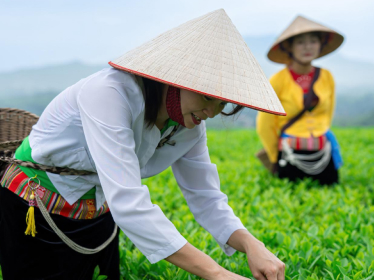
All major types of tea originate from a single plant, the Chinese tea plant (Camellia sinensis), but it is the process of oxidation that determines their taste, aroma, and color. Oxidation is a natural reaction in which the enzymes in the tea leaf interact with oxygen, changing its chemical composition.
If this process is stopped immediately after harvesting, the result is green tea with its freshness and grassy notes. But if the leaf is allowed to “breathe,” true magic begins: new aromas, shades of flavor, and the characteristic color of the infusion begin to appear.
Oolong is the pinnacle of tea craftsmanship, as its degree of oxidation can range from 10% to 80%.
Light oxidation gives oolongs floral and fruity notes, while deeper oxidation brings rich, honeyed, and even nutty nuances. Tea masters carefully control every stage: the leaves are rolled to release their juices and are then left to oxidize under carefully controlled temperature and humidity conditions. It is precisely thanks to this that oolongs are renowned for their multifaceted character and their ability to reveal new nuances with each brewing.
Ключевые особенности процесса окисления улунов:Ключевые особенности процесса окисления улунов:
- Time control: the master determines how long the leaf will remain in contact with oxygen, which directly affects the final taste.
- Leaf rolling: allows the juices to be released and accelerates fermentation, shaping a unique aroma.
- Temperature control: maintaining the optimal temperature ensures even and predictable oxidation.
- Humidity: affects the speed of the reaction and helps delicate notes of the tea unfold.
- The individuality of each variety: even when the same technology is used, different oolongs acquire a unique character thanks to the particularities of the terroir, including climate, soil, and growing conditions, as well as the skill of the tea master.
In Chinese tea culture, oxidation is compared to alchemy: the master is like a conductor, guiding the process and transforming an ordinary leaf into a work of art. Every oolong is the result of a unique combination of climate, soil, harvest time, and, of course, the art of oxidation. This is precisely why oolongs are so highly valued by tea connoisseurs: in a single cup, one can experience an entire palette of flavors, from spring flowers to autumn honey.
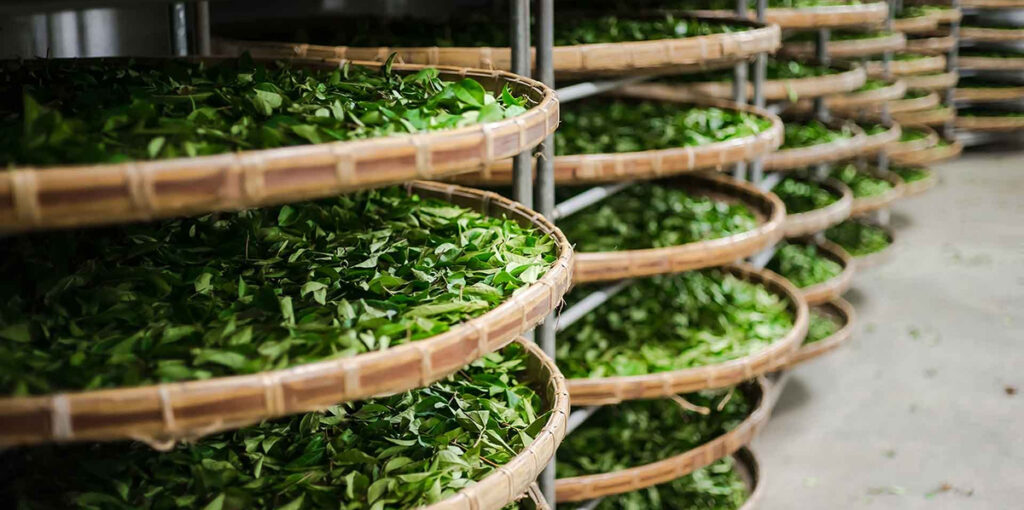
Oxidation is not merely a chemical reaction, but the soul of tea. Thanks to this process, we can enjoy not only green or black varieties, but also the fascinating world of oolongs. Every sip of such tea is a journey from a fresh leaf to a rich bouquet of aromas, created by nature itself and the hands of the master.